What Is Arandao? From Idea to Real Value
By: Arandao
Published:1404/04/11 • 10:55 ق.ظ
In this instalment of the "Arandao — A Deeper Look" series, we're going to explore together one of the most important topics: 🔍 Examining the problems Arandao has identified and the solutions it has proposed. If you haven't been with us from the beginning, we suggest you start by reading the first article; where we discussed DAO and its importance for the future of Web3. Afterwards, you can use this link to learn more about the DNM token, and if you'd like to know exactly what an Indexer is and what role it plays in the Arandao architecture, don't miss this link.
Why must every innovative project solve a real problem?
In today's world, having a fresh idea is not enough. An idea that is merely different or "exciting" — but not rooted in reality and genuine need — is quickly forgotten. By contrast, an idea that answers a real pain point and a real problem can create value: for society, for the market, and for people. 🔸 Creating value means improving people's lives through solutions that are real, practical, and lasting. But where does this value creation begin? It begins with understanding a real problem — a problem that exists in daily life, in economic structures, or in technological systems that people actually feel — and then offering a creative solution to overcome it. Arandao (AranDAO) is an example of this line of thinking. A project shaped not for entertainment, but through a careful examination of existing economic and social challenges; one that has used technology to design a model capable of resolving these issues. But what were those challenges, and why is solving them so urgent? Let's walk through them step by step.
Challenge 1: Centralised online marketplaces exploiting user and seller data
❗ What is the problem?
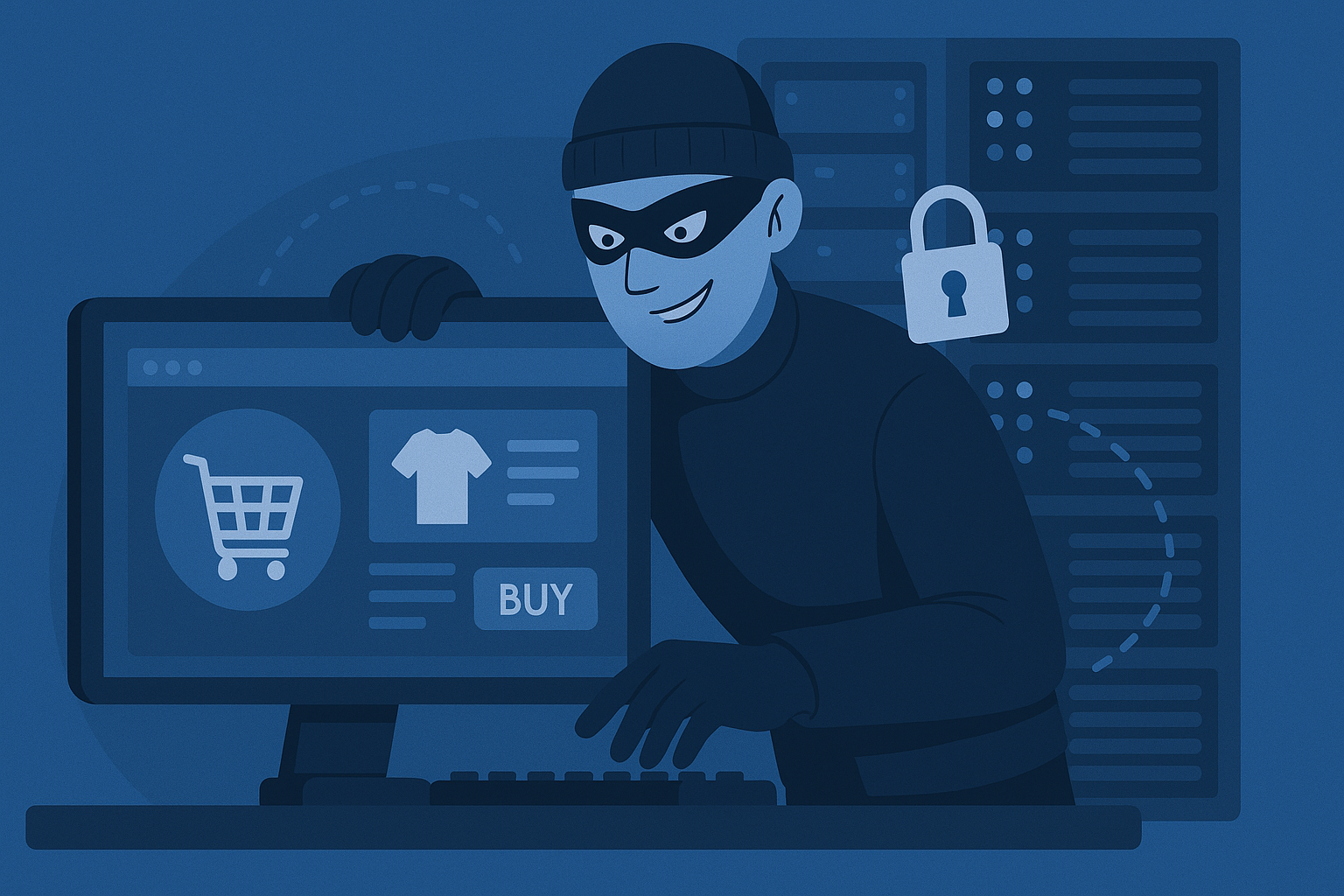
In centralised online marketplaces such as Amazon or Alibaba, users and sellers believe they are the core asset; but in reality, their data is the core asset — not themselves.
These platforms:
Collect data on successful sellers
Produce similar products and offer them at lower prices
Manipulate prices based on user behaviour (Dynamic Pricing)
Sell user data to advertisers.
🎯 Real example: Amazon was accused of analysing data from small sellers in order to enter those same product markets itself and eliminate competition. (Source: WSJ, 2020 case)
🔁 What is the outcome?
Growth opportunities are taken away from independent sellers,
Users are confused by pricing,
Public trust in online commerce declines.
Challenge 2: Closed and inefficient banking structures
❗ What is the problem?
Banks — which were meant to be intermediaries for economic growth — have in many countries become part of the problem:
It is unclear what they do with people's deposits
They channel capital into projects that guarantee bank profits rather than the public good
Money transfers, especially international ones, come with heavy fees.
🎯 Real example: Filipino migrant workers sending money home sometimes pay up to 10% in fees — yet those very remittances keep the origin country's economy alive.
🔁 What is the outcome?
Distrust in the traditional financial system
Higher financial costs for lower-income groups
Reduced access to banking services in underserved or sanctioned regions
Challenge 3: Inflation and monetary instability
❗ What is the problem? Fiat currency is controlled by governments and central banks. They can print money whenever they see fit, but these decisions often carry severe inflationary consequences. 🎯 Real example: In Venezuela, unrestrained printing of the bolívar caused hyperinflation in the millions; people had to take a suitcase full of cash to the bakery just to buy bread.
🔁 What is the outcome?
Erosion of real savings value
Destruction of the middle class's purchasing power
Weaker nations becoming dependent on the dollar or euro, losing their economic independence
Challenge 4: Sanctions and the absence of a free global financial infrastructure
❗ What is the problem? Sanctions prevent countries like Iran, Syria, or Cuba from accessing global financial infrastructure. Even if a business in those countries wants to go global, there is in practice no official channel for money transfers. In reality, the international trade infrastructure (SWIFT) is controlled by the United States, which decides which countries may use it and which may not — giving the US government a powerful lever of pressure against nations that do not align with its interests. 🎯 Real example: Iranian startups cannot connect to PayPal or Stripe and are effectively excluded from the global market before they even get to compete — and Iranian merchants face enormous difficulties transferring money to other countries.
🔁 What is the outcome?
Technological regression
Increasing dependence on intermediaries at greater cost,
Citizens losing access to international income streams and growth opportunities.
Challenge 5: Lack of supply-chain transparency and unfair pricing
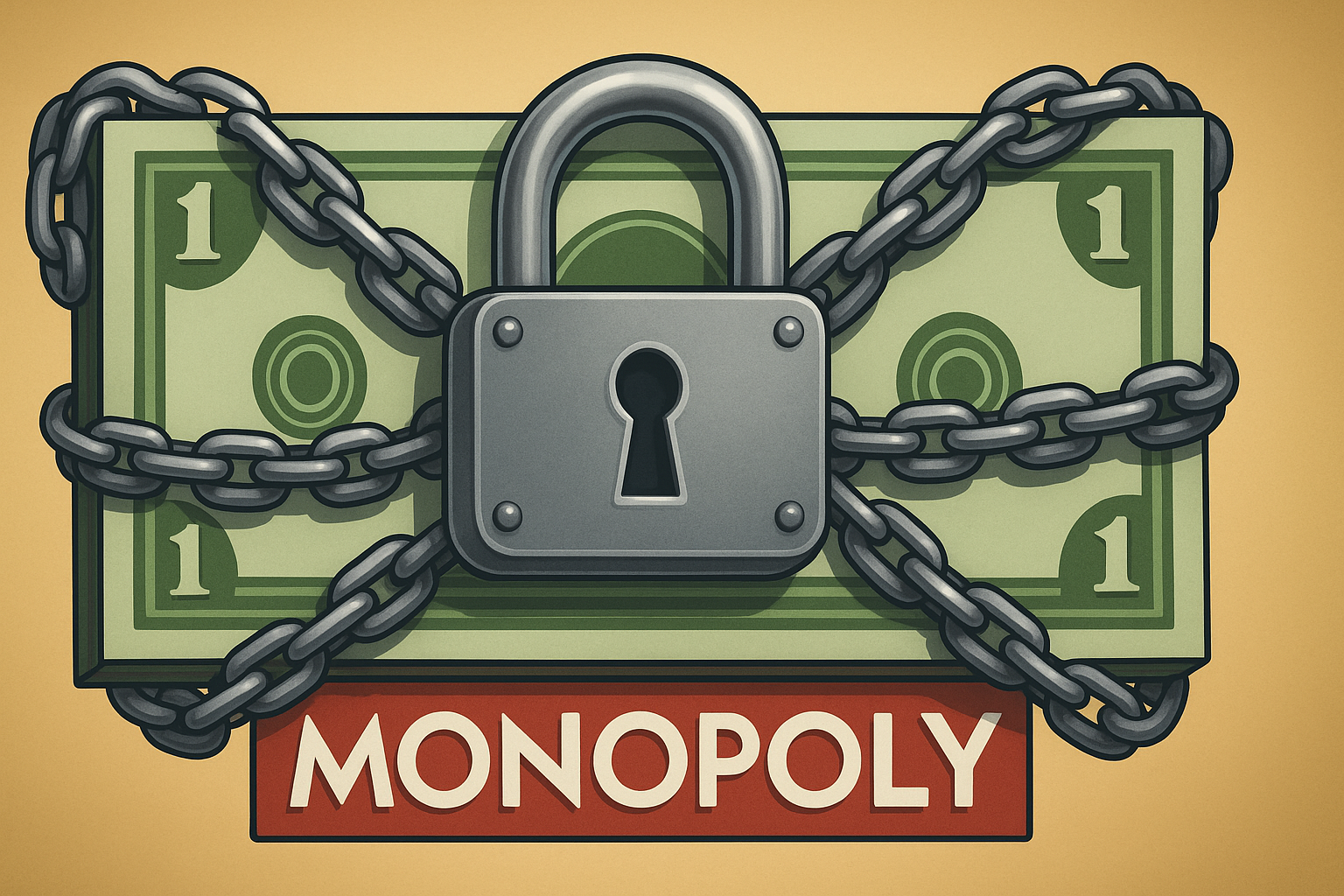
❗ What is the problem? In many online markets, pricing and profitability are completely opaque. The actual producer captures only a small share of the profit, while intermediaries receive the largest cut — and that chain of intermediaries drives up the final cost of the product, reducing the consumer's purchasing power. 🎯 Real example: In the fashion industry, a T-shirt manufactured in Bangladesh for under $2 is sold in Europe for $30. The buyer has no idea where the difference goes.
🔁 What is the outcome?
Greater economic pressure on the consumer
Less incentive for small producers to keep going
Increased market control by monopolistic retailers
But what is the solution?
Until just a few years ago, everything looked like a dead end. It seemed as though "power" was always going to remain in the hands of large platforms, and we would be nothing but spectators. Traditional financial and retail systems had become so interwoven with the fabric of our lives that even imagining changing them felt like fantasy. But then, a light broke through the darkness. Blockchain technology and cryptocurrencies arrived — with promises of transparency, freedom, and the elimination of intermediaries. At first, everything was raw and unfamiliar. There was no knowledge for building a complete economic ecosystem. It was a grand dream, but the tools were immature — because blockchain systems charged high fees for every transaction, and building an ecosystem capable of processing millions of transactions per day was practically an impossible dream. Years passed until, in 2023, a group of forward-thinking developers, bold economists, and independent visionaries decided they would refuse to merely watch from the sidelines. They came together — not for personal gain, but with one clear goal: To build a genuine path to freedom from monopoly, inflation, financial censorship, and a manipulated economy. The fruit of that collaboration was the birth of a project called Arandao (AranDAO) — an ecosystem that truly and meaningfully defined economics as decentralised, transparent, and participation-driven.
Arandao is not merely a project
It is a response to years of hidden injustice. A response to those who believed "this is just how things are". And, most importantly, it is a door opening onto a future in which power leaves the hands of monopolies and returns to the people — where ownership becomes shared and economic monopoly is broken. We now understand the problem. In the next article, we will discuss Arandao's creative solutions — solutions some of which are being presented for the first time in the world. Solutions that have managed to create an economic model that is truly sustainable and controlled by no one. Stay with us.